
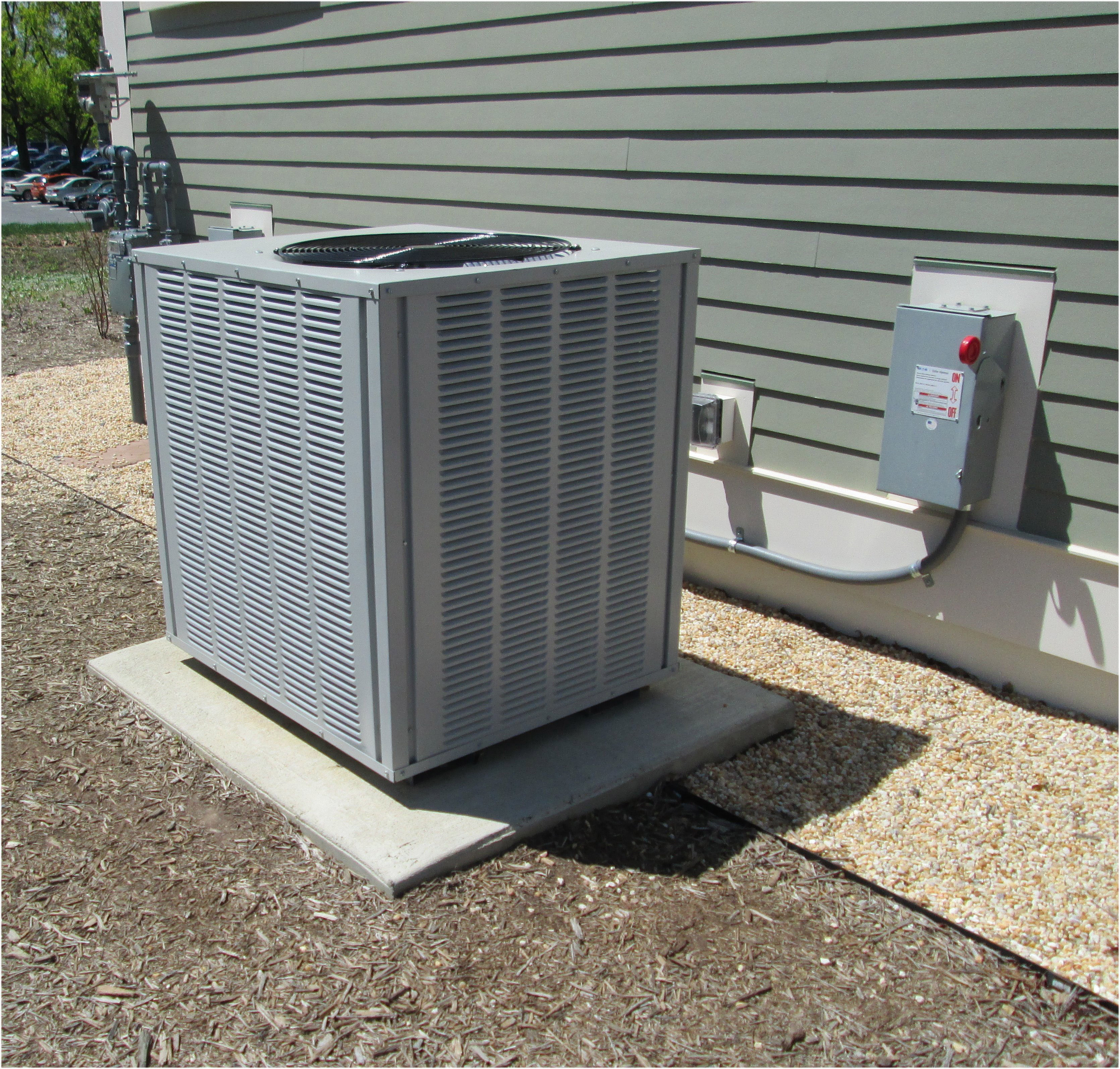
What is a heat pump?
Let us help you understand what a heat pump is, because many people still have difficulty understanding just how a heat pump works and how an air conditioner can provide heat and keep you warm. Heat pumps can operate on gas or electricity.
- Definition of a heat pump for inquiring minds: in the heating mode, a heat pump is a reverse air conditioner. In the summer, a heat pump or an air conditioner, extracts heat from within your house and discharges it outside, leaving the air inside the building cooler. In the winter, by reversing the flow of refrigerant and it’s utilization, it extracts heat from outside of the house and brings it inside where it is sent into the house or building through the ductwork.
- How does it do that? All air has heat in it. When you take 72 degree (F) air and remove 10 degrees of heat from it, you now have 62 degree air. That’s what a heat pump does. Through reverse refrigeration, a heat pump can extract heat from the outside air by extracting (absorbing) it into the refrigerant via the compressor, a process of heat exchange, and it can do this more efficiently and cleaner than any other type of system, except when the outside temperature gets down around 32 degrees.
- What is the advantage of a Dual Fuel System? No other system operates more efficiently and cost effectively for heating than a heat pump within a certain temperature range. A heat pump’s capacity or heating capability is reduced when the outside temperature falls below 32 degrees when it typically has to use an electric strip heater to provide the supplementary heat needed at these times. When this happens on a heat pump you may see a light indicating “auxiliary heat”.
- When combining the efficiency of a heat pump during it’s peak operating period with a high efficiency gas furnace, oil furnace or boiler for the times when it is less efficient, a Dual Fuel System provides the maximum efficiency, payback and comfort level of both fuels and systems available.
- Who should install a dual fuel system? Customers who already have furnaces in their homes and whose central air conditioners need replacing. When their air conditioner goes bad, some consumers are upgrading with a heat pump to work in conjunction with their existing furnace. This gives them the advantage of a new air conditioner for better cooling comfort and a heat pump (the same piece of equipment outside), which can be used most efficiently for heating on those days when the temperature is above 32 degrees.
- The largest group is homeowners interested in dual fuel systems are those that have watched oil prices rocket to record highs these past months, and which are predicted to rise even higher this winter…people who have read various consumer reports like the Energy Department report not long ago, that stated “Winter heating bills will be a 33% to 50% higher for most families across the country, with the sharpest increases expected for those who heat with natural gas”, the Energy Department forecast recently.
- How do I benefit? If you have an oil or gas system, you can benefit by adding an electric system (heat pump). If you presently have an electric system (heat pump) you can still benefit by adding oil or natural gas. Dual Fuel heating enables you to add a second heating system to your current system and gives you an appealing alternative to the roller coaster pricing of fuel oil and most gas heating systems because Dual Fuel rates are most likely to remain stable year round.
Dual Fuel Or Hybrid Systems
If your family is like most families, winter heating costs can put a real strain on your family budget. Now, there is a way for you to lessen the burden of home heating costs. It’s called dual fuel or hybrid heat, and it can save you a great deal of money. With soaring energy prices and the threat of scarcity of raw materials and energy sources very real, there is a tendency to reevaluate the whole approach to what constitutes an “ideal or optimal heating system” as these problematic issues are likely to be with us for a very long time. A very popular and intelligent choice is called a “dual fuel” heating system.
It may seem strange, however, you can heat your home for less money by using two fuels instead of one. Here’s how a dual fuel system works. A dual fuel system combines two fuel sources, electricity the main source and propane (gas), oil or other approved fuels as a secondary source. We can install a dual fuel system by adding a heat pump to your present fossil fueled heating system. In layman’s terms, a dual fuel system is combining the installation of a gas or oil furnace with a heat pump.
UTILITY COMPANIES LIKE THEM!
At certain times of the year many utility companies including Georgia Power, Atlanta Gas & Light, Sawnee Electric, and affiliated utility groups or cooperatives provide incentives to assist customers with the installation of electric energy saving or gas saving equipment. While these incentives or rebates are usually seasonal, be sure to check to see if your particular gas or electric company has a rebate available. Restrictions do apply. Also, be sure to check with ENERGY STAR to determine if there is a Federal Tax Credit available for your home improvement system for the current tax year.
HEAT PUMPS ARE ENERGY EFFICIENT
Today’s electric heat pump is a technological marvel that will heat and cool your home with unbeatable efficiency. In winter, your new heat pump will keep your home warm and comfortable; in hot, humid or muggy summertime weather, the same system will keep you cool, humidity free and comfortable. There are different types of heat pumps, the most common in Georgia is the air source system that extracts heat out of the air and looks much like a central air conditioning unit. All Quality Heating & Air installs these heat pumps.
A high efficiency air source heat pump can be added to your existing fuel oil or LP gas furnace. In the winter, the high efficiency heat pump will act as your primary heating system and will work in conjunction with the alternate gas or fuel oil furnace. The heat pump will operate on all but the most extreme weather.
We can design a system to heat your whole house or a single room; we can control the system with one thermostat or provide room-by-room temperature control.
SAVE ON HEATING COSTS WITH DUAL FUEL
On peak days during the winter months, the demand for electricity is the highest. More resources and equipment must be used to generate the needed electricity and this causes increased power costs. Installing Dual Fuel systems can reduce these costs.
You will realize immediate and future savings by reducing your annual heating bill, but you will also save by keeping electric generation and transmission costs down through more economical load management. You’ll be helping your country too, by reducing our dependence on foreign oil imports.
More about duel fuel systems and heat pumps.
How can I order a dual fuel system or heat pump?
For a FREE estimate, our experienced systems consultants are available NOW to provide you with answers to questions you may have including the feasibility of installing a dual fuel system in your home and an estimated cost. Click here to schedule an appointment, or call us now at 770-399-7838.
Dual-fuel units cost about $600 to $2,000 (depending on SEER rating, tonnage size and options) more than conventional heating and cooling systems because you’re getting essentially two systems in one. However, the good news is the difference in the amount you’ll save in the next two to three years from lower heating costs will more than make up the difference you’ll invest on a better quality system. Remember to keep this in mind, available rebates and tax credits will make this a very intelligent choice for your family.


