Why isn’t much air coming from the floor or ceiling vents?

January 26, 2010  |  Tips & Troubleshooting, heating and air

If a room is not getting cooled or heated like the other rooms, it’s very likely there are some simple checks to do before calling your service company. Here are some of the checks you can perform:

  • Check the air filters – both at the intake and return if any. They may be dirty of blocked.
  • Check the air vents to the room(s). Are they open, blocked/covered?
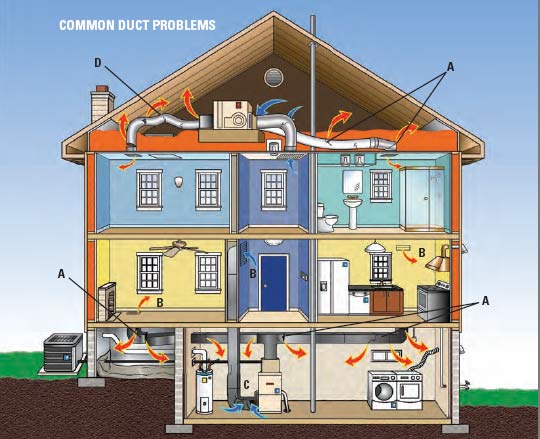
  • If there is less air flow through the register, it’s likely the air duct to the room is long, has some restrictions, or a damper may be partially closed. Check the ductwork if it’s in the basement or attic. Open the damper if there’s one.
  • If there is low air pressure coming from all the room vents, it’s likely that the fan motor speed is not right. This does require a professional, so give us a call today.

Why isn’t the air conditioner cooling?

The thermostat setting is way down, but the room temperature still feels warm. There are usually two causes for this:

1. All thermostats are not equal. Do you have one of the dial types? They are the older mechanical type thermostats that must be calibrated at least once every two years or so. You are better off buying a new digital thermostat that will pay for itself in one summer.

Mechanical or digital – it’s also likely that the thermostat could have been placed in the wrong location – near a heat source, sunlight, or an un insulated wall. This is very common but a problem to fix. Repositioning the thermostat will require some knowledge of electrical wiring and fishing wire through a drywall can be a challenge.

Your best bet will be to protect the thermostat from obvious heat/cold source, and if that fails, then you will need to call in your expert service company to reposition and rewire the thermostat.

This will save you money on your energy bills in the long run.

2. The more serious problem is that your condenser coils are freezing up – this can happen during the cooling season. Try turning off the system for an hour or two (don’t worry, the unit was not cooling anyway!). Turn the system back on and see if there’s cool air coming from the vents. If not, the problems could be a leak in the system, lack of refrigerant, or dirt in the system that’s blocking the condenser unit. This does require a professional, so give us a call today.

Why won’t the air conditioner come on?

January 26, 2010  |  Tips & Troubleshooting, heating and air

This is a common problem and you should check for the following before calling for a service technician:

  • Check the power cable, breaker first. Remember if you’re not sure call for service.
  • Check the thermostat: in summer it could be set too high, in winter it could be set too low
  • Check the condensate drain pump. The float could be stuck, drain blocked, or the pump may be off.

Beyond these simple checks, you will need a professional HVAC technician, so give us a call today.

Why does the indoor fan run all the time?

January 26, 2010  |  Tips & Troubleshooting, heating and air

If the heating and air conditioning works fine, but the indoor fan is on all of the time, then check the fan setting on your thermostat – make sure it’s in the “auto” position, not the “on” position.

If you turn the thermostat to the “off” position – nothing happens, the fan stays on and the only way to get the fan to stop is to shut the power off.

This could be the result of a faulty thermostat, or a problem with the fan circuit. This does require a professional, so give us a call today.

Why does the circuit breaker keep tripping on the A/C unit?

January 26, 2010  |  Tips & Troubleshooting, heating and air

The purpose of a circuit breaker is to protect the equipment, including the wiring that may cause overheating and fires. The first thing to do is check the motor to see any visible smoke or feel for any hot spots. If everything seems normal – reset the circuit breaker. Turn it to the “off” position if it isn’t there already, then back to the “on” position.

If the breaker trips a second time, then it means there’s an overload condition and you should call your service company immediately. The breaker is tripping for a reason – a locked motor, obstructions, faulty wiring or insulation.

One very common cause for breakers to trip is loose electrical connections. Expansion and contraction of the wire lugs on a breaker cause the connections to loosen over time. Don’t tighten the connections with the power on – it’s hazardous to your health.

It’s best to call us and get the problem corrected by a professional.

What is that noise from the air conditioner?

January 26, 2010  |  Tips & Troubleshooting, heating and air

Listen to the type of sound the unit is making:

  • Screeching or grating sounds indicate the fan or compressor is failing.
  • The fan retaining fastener could have come loose and the fan is loose in it’s housing.
  • So also with the compressor, but this would be more noticeable. Shut the A/C off immediately and call for service.
  • Vibrating sounds indicate the fan could be out of balance. It’s best to monitor this condition and turn the A/C off to be on the safe side. Little problems can lead to bigger ones, so call for service.
  • Humming sounds coming from the motor indicate that there could be an electrical problem – shorted windings, bad capacitor, or overheated windings. Stop the A/C and call us for service immediately.

Why is my energy bill so high?

Older units are not energy efficient, but higher than average bills indicate problems. The most obvious checks are your home insulation and weather, with humidity being the main problem. If these are not the case, then your A/C’s refrigerant could be low, or there’s a slow leak in the system.

Often dirt can lodge in the expansion valve of the condenser, and interfere with the proper working of the cycle; this causes icing up of the coils and puts a strain on the system – consuming unnecessary power.

Dirty filers and ducts can also affect the performance of the whole system and cause the compressor to work overtime.

Other simple things to keep your system performing well:

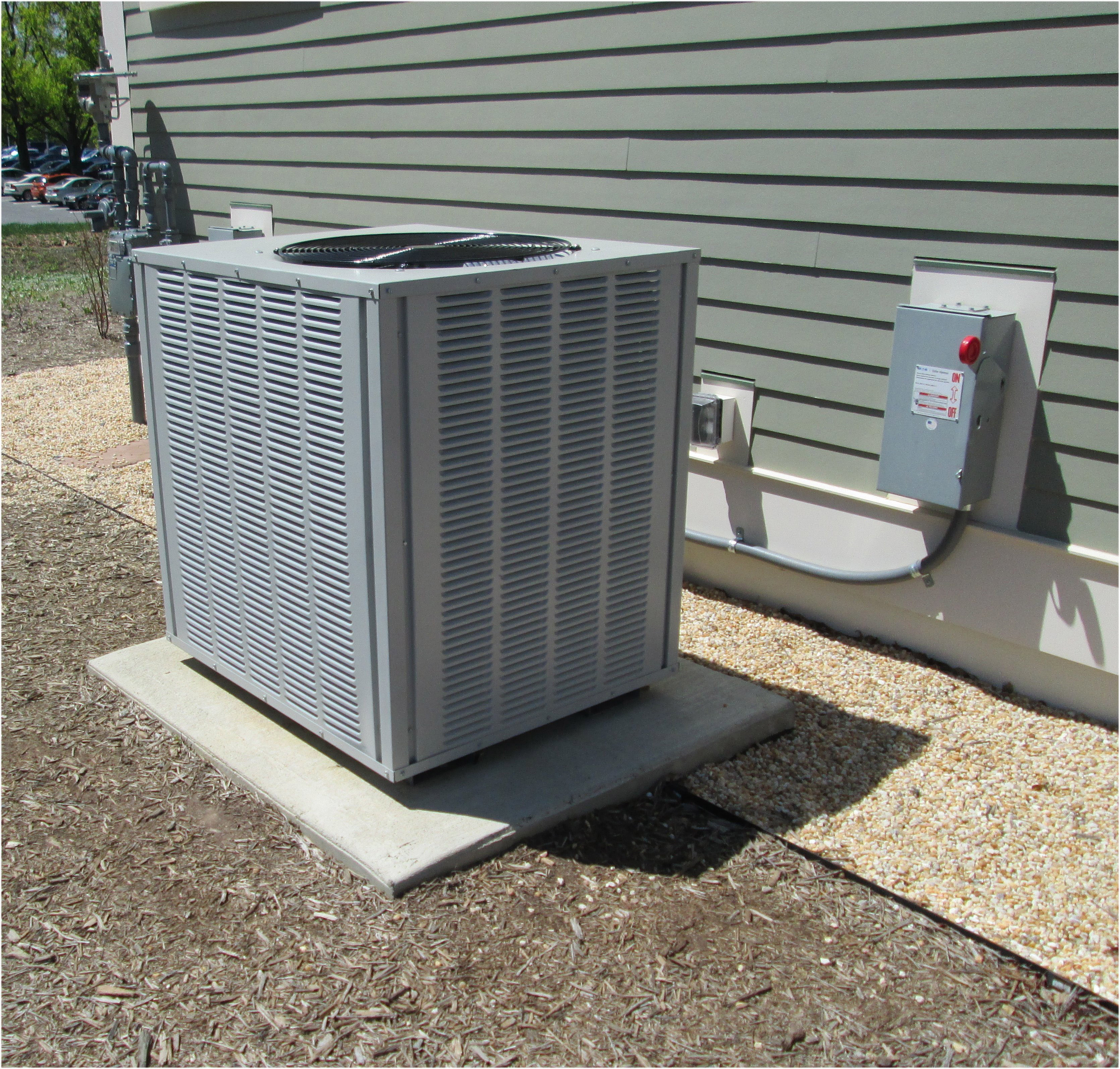
  • Clear the outdoor unit of debris, shrubs, weeds etc. Keep unrestricted airflow around the unit
  • Check for damage to the evaporator – avoid bumping into it with your lawn mower.
  • Watch the weed whacker around the coils and cables. Broken insulation can cause shorts and can interfere with the efficient operation of the temperature control.

Your best bet is to call for service. The tune up cost will be recovered very quickly at today’s energy rates. If your system is old, it may be time to investigate an energy efficient A/C unit.

Call us for an energy audit of your home and a free estimate, we can help you save on your energy bills this season.

Turn off your humidifier during summer

January 26, 2010  |  Tips & Troubleshooting, heating and air

Turn Off Your Humidifier In Summer

Many people with central humidifiers go into the cooling season forgetting to shut down the humidifier for the summer.

A central air conditioner will not cool or dehumidify properly if the humidifier is running.

Rikki is turning the humidistat to the off position for the summer.

Step 1 – Turn the humidistat to the off position or the lowest percent of relative humidity. The humidistat is usually installed on the return air plenum above the humidifier. Sometimes it is installed on the wall near the thermostat.

Step 2 - Close the duct damper or turn it to the summer position. *Note – not all systems have duct dampers.

Step 3 – Turn off the water-supply. If you are unsure how, just follow the quarter inch water line out of the humidifier. (It is either copper or plastic). Turn the valve clock wise until it stops. *Note -If the valve is a saddle valve, the type that clamps on to a copper water pipe, it might not provide 100% shut-off.

Step 4 – After removing the pad, float assembly, and pan, the parts can now be cleaned. File size- 21k. Clean the humidifier and leave dry until winter. *Note – If you have a float type humidifier with a saddle valve that doesn’t provide 100% shut-off, you can either manually lift the float by placing an object under it to keep the pan empty or you need to have your saddle valve inspected and/or replaced.

Step 5 – If this sounds like too much work, contact us, we can do it for you!

Bonus Tip: Use Humidex Tablets (Store them in a dry place.)

If you have a General-aire Model 81 humidifier or another “float-type” humidifier, we suggest using Humidex tablets. They are really great for hard water areas.

Humidex tablets  kill odor causing bacteria, maintain peak humidifier performance, make cleaning much easier and cleaning is needed less often. Vial of 12 tablets. Also extends life of humidifier parts.

Available online from our HVAC Store.

10 Tips to Reduce Your Heating Bill

10 Tips to Reduce Your Heating Bill

The winter months are here, and the economy, and soaring energy costs have us avidly searching for ways to stretch our cash. Here are a few low cost, and very simple tips for reducing your electricity bill this winter, and keep that money in your pocket.

1. Turn off extra lights. This is probably the simplest way to conserve, and probably the most overlooked as well. Turn off lights, TV’s and radios when you leave the room, and teach your kids to do the same.

2. Lower your thermostat and bundle up. By lowering your thermostat by just one degree, you can reduce your energy use by at least 3%. Make a point of wearing socks or slippers around this house because if your feet are cold, your whole body will also feel cold. So rather than turning up your heat, grab a sweater or a blanket and bundle up.

3. Make use of natural light. In addition to being refreshing, the rays of the sun help to heat the house. So during the day pull back those drapes and let the sun shine in! But, remember to pull them back at night to keep the heat from escaping out of the windows.

4. Turn down your water heater. By lowering your water heater’s temperature from 140 to 120 degrees, you can really cut costs, and hardly notice a difference. Make sure to fix any leaky faucets.

5. 6 hours is just enough, to have your holiday lights aglow. Turn them on at sunset, and turn them off before turning in for the night.

6. Make use of what is already there. You can tap into heat generation in simple things you do everyday. Leave the oven door open after cooking, and leave the bathroom door open, and the vent system off when you shower and let the steam heat the area.

7. Close off rooms that aren’t in use. It is cheaper to heat a small area than a large one. Reserve your heat for the area where you spend most of your time. Close vents in unused rooms.

8. Don’t let your heat escape. Keep the doors and the windows shut tight when you have your heater running. Make sure your fireplace flue is closed when not in use to minimize the loss of heat.

9. Check those filters! Clean and clear filters are a must for a heating systems – dirty filters can make your heating costs increase.

10. Hire a Professional. At least once a year you should have your heating system inspected by a professional. Proper routine maintenance keeps your heating unit efficient and can save you money.

How to Prevent Contamination of Heat and Air Ducts

Whether or not you decide to have the air ducts in your business cleaned, committing to a good preventive maintenance program is essential to minimize duct contamination. To prevent dirt from entering the system:

  • Use the highest efficiency air filter recommended by the manufacturer of your heating and cooling system.
  • Change filters regularly.
  • If your filters become clogged, change them more frequently.
  • Be sure you do not have any missing filters and that air cannot bypass filters through gaps around the filter holder.
  • When having your heating and cooling system maintained or checked for other reasons, be sure to ask the service provider to clean cooling coils and drain pans.
  • During construction or renovation work that produces dust in your home, seal off supply and return registers and do not operate the heating and cooling system until after cleaning up the dust.
  • Remove dust and vacuum your home regularly. (Use a high efficiency vacuum (HEPA) cleaner or the highest efficiency filter bags your vacuum cleaner can take. Vacuuming can increase the amount of dust in the air during and after vacuuming as well as in your ducts).
  • If your heating system includes in-duct humidification equipment, be sure to operate and maintain the humidifier strictly as recommended by the manufacturer.
  • Commit to a preventive maintenance program of yearly inspections of your heating and cooling system, regular filter changes, and steps to prevent moisture contamination.